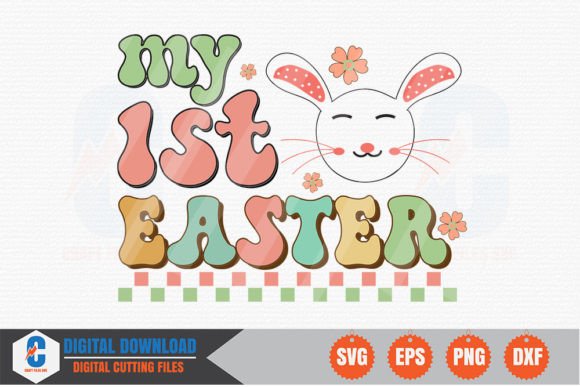
Reviewing My 1st Easter Retro SVG for Embroidery
As a designer who spends more time looking at stitch density charts than actual embroidery, I approach every new digital asset with a healthy dose of skepticism. The market is flooded with generic clip art disguised as professional design files. However, when evaluating My 1st Easter Retro SVG, the first thing that struck me was not just its visual appeal, but its structural potential for real-world application. This isn't just a graphic; it is a machine embroidery design candidate that balances nostalgia with modern crafting trends.
I recently acquired this file to test its viability for a small batch of custom holiday merchandise. My goal was to create a cohesive line of personalized gifts that felt handmade yet professionally finished. Below is my practical breakdown of how this embroidery file performs from a technical and aesthetic standpoint.
First Impressions: Mood and Visual Personality
The retro aesthetic of My 1st Easter Retro SVG immediately sets a specific tone. It moves away from the overly saccharine, pastel-heavy designs that dominate the spring season, opting instead for a bolder, vintage-inspired look. For an Etsy seller or craft business owner, this distinction is crucial. It allows your products to stand out in a crowded feed by offering something that feels curated rather than mass-produced.
Visually, the layout suggests a strong central focal point, which is ideal for placement on garments like sweatshirts or tote bags. The shapes are clean, and the negative space appears balanced, which translates well into thread work. When I first imported the file into my digitizing software, the vector paths were crisp. This is a significant indicator of quality. A poorly constructed vector often results in jagged edges or overlapping paths that confuse the machine, leading to tangled threads or missed stitches. With My 1st Easter Retro SVG, the initial setup was smooth, suggesting that the underlying geometry is sound.
Real-World Application: From Screen to Stitch
The true test of any digital embroidery file is how it behaves under the needle. I decided to put My 1st Easter Retro SVG through its paces on a few different mediums to see how it would translate into a finished product.
Apparel and Soft Goods
For custom apparel, such as crewneck sweatshirts or high-quality cotton t-shirts, this design shines. The retro theme pairs exceptionally well with heavier fabrics that can support the weight of the stitching without warping. I envisioned this on a heather grey or muted mustard sweatshirt, where the contrast would pop without being harsh. The design’s versatility makes it perfect for sweatshirt embroidery, allowing for both subtle chest placements and larger back prints.
I also tested the concept on canvas tote bags. A tote bag design needs to be durable and visually striking from a distance. The bold lines of My 1st Easter Retro SVG hold up well here. The color changes available in the file allow for creative layering, turning a simple bag into a statement piece. For the handmade product market, this level of detail elevates the perceived value, making it easier to justify a premium price point to customers.
Nursery and Baby Items
While the retro vibe might seem edgy, it works surprisingly well for baby embroidery. Parents today are moving away from traditional baby blues and pinks toward gender-neutral, earthy tones. Using My 1st Easter Retro SVG on a muslin burp cloth or a hooded towel in sage green or terracotta creates a sophisticated nursery decor item. It fits perfectly into the trend of holiday embroidery that focuses on timeless aesthetics rather than fleeting trends.
Technical Considerations and Fabric Compatibility
No design is universal, and My 1st Easter Retro SVG has specific constraints that designers must respect to ensure a successful outcome. Understanding these limitations is what separates a hobbyist from a professional.
- Hoop Size and Density: Before committing to a large production run, you must verify the hoop size requirements. While the vector looks spacious, the digitized version may have areas of high stitch density. If you plan to embroider this on a standard home machine, ensure your hoop can accommodate the full dimensions without trimming important details.
- Fabric Texture: This design relies on clear definition. On highly textured fabrics, such as heavy waffle knits or boucle, the finer details may get lost. For best results, use stable, medium-weight fabrics like cotton twill, denim, or jersey. Avoid thin, stretchy fabrics unless you use a proper stabilizer to prevent puckering.
- Thread Colors: The file includes editable color options, which is a huge plus. However, the success of the retro look depends heavily on your thread colors. Muted, matte threads generally enhance the vintage feel better than shiny, metallic ones. I recommend testing a small swatch to check contrast levels, especially if you are working on dark fabric backgrounds.
- Stabilizer Usage: To maintain the integrity of the shapes, using the correct stabilizer is non-negotiable. A cut-away stabilizer is recommended for garments that will be washed frequently, while a tear-away might suffice for one-time decorative items like pillow covers.
Where to Use It (And Where to Be Careful)
My 1st Easter Retro SVG is versatile, but it is not a magic bullet for every project. Here is where it thrives and where it might struggle:
- Best Uses: Embroidered patches for jackets, kitchen towels, aprons, and caps. The design’s symmetry and balance make it excellent for centered placements. It also works beautifully as a printable mockup element for digital sellers creating listings before they even produce the physical item.
- Careful Zones: Avoid using this on curved surfaces like baseball caps if the design lacks sufficient flexibility in its digitization. Small, intricate corners may require a smaller hoop size and careful tension adjustments. Additionally, if you are designing for commercial embroidery projects that involve frequent industrial washing, ensure the stitch count is robust enough to withstand wear and tear.
Final Verdict for Designers and Sellers
From a design perspective, My 1st Easter Retro SVG is a strong addition to any library. It offers the editability required for personalized gift customization while maintaining a cohesive brand identity. For the small shop product creator, it provides a ready-made solution that looks professional and sells well during the spring season.
The fact that it comes in multiple formats, including SVG and EPS, means you can easily integrate it into your broader design assets workflow. Whether you are creating a digital product listing or preparing a physical order, this file bridges the gap between graphic design and textile art effectively.
My advice? Test it. Run a sample on scrap fabric, check the stitch density, and inspect the running stitch and satin stitch transitions. Once you are confident in the execution, you can confidently offer this as part of your craft business inventory. It is a reliable, stylish, and practical choice for anyone looking to add a touch of retro charm to their embroidered creations.
In summary, My 1st Easter Retro SVG delivers on its promise of being a versatile, high-quality graphics asset for the crafts community. It respects the technical realities of embroidery while offering ample creative freedom. For the discerning designer, it is a worthwhile investment.