Teaching Future Leaders Retro SVG: A Designer’s Real-World Embroidery Review
When I receive a new digital asset to evaluate, my first instinct is always practical. I don’t just look at the vector lines on the screen; I immediately start visualizing how those lines will translate into thread tension, fabric texture, and final stitch density. As an experienced designer who frequently bridges the gap between digital graphics and physical handmade products, I treat every embroidery file as a potential client project before it ever touches a hoop. Today, I am putting Teaching Future Leaders Retro SVG through that same rigorous mental stress test. This item falls squarely into the Crafts and Graphics categories, but its true value lies in its application for educators, small business owners, and creative entrepreneurs looking to create meaningful, high-quality merchandise.
First Impressions: Mood and Visual Personality
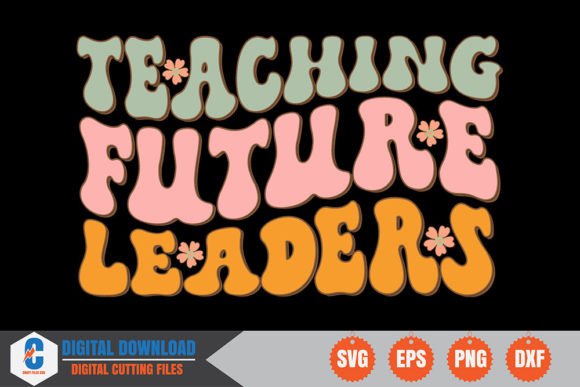
The moment you open the zip file containing separate formats like SVG, EPS, DXF, and PNG, you are greeted with a design that screams nostalgia without sacrificing clarity. The "Retro" aspect of Teaching Future Leaders Retro SVG suggests a vintage aesthetic—likely featuring bold typography or classic iconography associated with education. From a design perspective, this is crucial because retro styles often rely on strong silhouettes that hold up well when digitized for embroidery. Unlike intricate floral patterns that can get lost in dense stitching, a graphic-driven machine embroidery design like this one promises distinct edges and clear visual hierarchy.
The mood it creates is empowering yet warm. It feels appropriate for a mentorship program, a teacher appreciation gift, or a boutique school supply store. The layout appears balanced, which is essential for maintaining brand consistency across different product types. When I look at the visual personality, I see a design that doesn’t try too hard. It relies on the strength of its message—"Future Leaders"—and the charm of its retro execution. This makes it highly versatile for various audiences, from hobbyists making personalized gifts to professional decorators building a collection for a local boutique.
Real-Life Application: From Screen to Stitch
To truly understand the utility of Teaching Future Leaders Retro SVG, let’s imagine a real-world scenario. You are preparing custom apparel for a graduating class or a teacher training workshop. You decide to create a premium line of embroidered sweatshirts and tote bags. This is where the versatility of the included file formats becomes apparent. The SVG and DXF files allow for precise cutting if you plan to use applique techniques, while the EPS file ensures you can manipulate the vector paths in Illustrator for any necessary color changes or scaling adjustments.
Imagine applying this design to a heavy cotton canvas tote bag design. The retro aesthetic pairs beautifully with earthy tones or classic navy blues. However, the success of this embroidery project depends heavily on your choice of thread colors. A dark fabric background might require a bright, contrasting thread palette to ensure the text remains legible. Conversely, on a light heather gray sweatshirt, a muted pastel thread combination could enhance the vintage feel. The fact that the package includes a 100% color-changeable file means you have the freedom to experiment with palettes that match specific branding guidelines or seasonal trends, such as holiday embroidery themes.
Beyond apparel, consider the potential for nursery decor or baby items. While the theme is leadership, the retro style can be softened for baby clothes or blankets, creating a sentimental keepsake for parents who are educators. The clean lines of the design ensure that even on delicate fabrics, the embroidery maintains a professional finish, elevating the perceived value of the handmade product.
Technical Considerations and Potential Pitfalls
No design is perfect for every surface, and as a reviewer, I must highlight where Teaching Future Leaders Retro SVG requires careful handling. First, always test the design on scrap fabric before committing to your final piece. This step is non-negotiable for checking stitch density and ensuring that the machine handles the transitions between different stitch types smoothly. If the design contains large areas of fill stitch, verify that the underlay stitches are sufficient to prevent puckering, especially on stretchy fabrics like jersey knits used for t-shirts.
Be cautious with small hoop sizes. If the text elements in the retro design are tightly kerned, reducing the hoop size might cause the satin stitches to crowd each other, leading to a muddy appearance. Similarly, textured fabrics can obscure fine details. If you are working with a chunky knit or a rough linen, the smaller graphical elements might disappear into the weave. In such cases, a larger hoop size and a higher contrast thread choice are necessary to maintain clarity.
Another critical factor is the stabilizer. For a design that likely combines text and graphic elements, using the correct stabilizer—whether cut-away for stability or tear-away for lightweight fabrics—is vital. Without proper support, the tension of the threads can distort the fabric, ruining the crispness of the retro aesthetic. Additionally, inspect the corners of any rectangular or circular elements in the design. Tight corners can sometimes lead to thread breaks or uneven coverage if the digitization isn't optimized for sharp angles.
Impact on Brand and Customer Trust
For Etsy sellers and small shop owners, the quality of the finished product directly influences customer trust. A poorly executed embroidery job can make a brand look amateurish, whereas a clean, well-stitched design reinforces professionalism. Using a pre-made digital embroidery file like this one allows you to focus on marketing and customer service while still offering high-quality goods. The retro theme adds a layer of emotional connection, making the item more giftable and memorable. Customers are more likely to leave positive reviews and engage with your brand when the product feels thoughtfully designed and durable.
Furthermore, the inclusion of multiple formats supports a broader range of design assets usage. You can use the PNG for quick printable mockups to showcase your listings online, while the vector files ensure scalability for large-scale commercial embroidery projects. This flexibility is invaluable for creative entrepreneurs who need to adapt their designs for various platforms, from craft fair booths to e-commerce websites.
Practical Designer Notes for Success
- Test Before You Commit: Always run a test stitch-out on the actual fabric type you intend to use. Check for thread tension issues and fabric distortion.
- Verify Licensing: Before selling finished items or digital products, confirm the licensing terms provided with the download. Ensure you have the right to use Teaching Future Leaders Retro SVG for commercial purposes.
- Color Contrast is Key: Use black and white mockups to check readability. If the design doesn’t read clearly in grayscale, it may struggle with certain color combinations in thread.
- Stabilizer Selection: Match your stabilizer to the fabric weight and stretch. Heavy fabrics need robust support, while delicate materials require lighter touch-ups.
- Hoop Size Awareness: Ensure your machine’s hoop size accommodates the full design without excessive trimming, which can affect the final look.
In conclusion, Teaching Future Leaders Retro SVG offers a strong foundation for a variety of embroidery endeavors. Its retro charm and clear structure make it suitable for everything from personalized gifts to professional boutique merchandise. By paying attention to technical details like stitch density, fabric choice, and stabilizer use, you can transform this digital asset into a stunning physical reality that resonates with customers and stands the test of time.