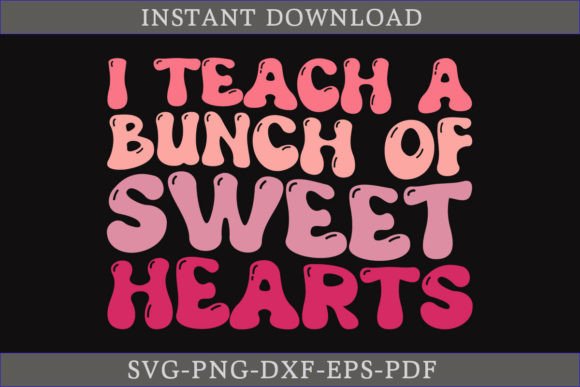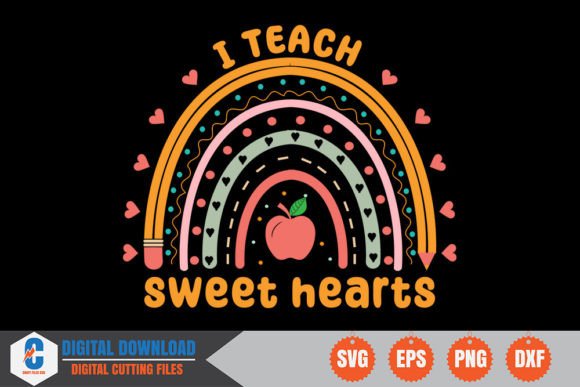
I Teach Sweet Hearts Retro SVG
When I sit down to review a new digital asset for my embroidery collection, I am rarely looking for perfection. I am looking for viability. Can this design survive the hoop? Will it translate well from vector to thread? Does it have enough character to justify a customer’s purchase in a saturated market? Today, I am putting I Teach Sweet Hearts Retro SVG through that exact paces. As an experienced designer and reviewer, I have seen countless heart motifs flood the market, but few manage to balance nostalgia with practical stitchability as effectively as this one.
The file comes packaged as a zip containing separate formats including SVG, EPS, DXF, and PNG. For those of us who work across different software ecosystems—moving from cutting plotters to digitizing software or graphic design suites—having these specific assets is crucial. The promise of 100% editable files and color changeability suggests flexibility, which is exactly what a serious craft business owner needs. But let’s look past the specs and talk about the actual visual weight and personality of the design.
First Impressions: Mood and Visual Personality
The moment you load the preview, the retro aesthetic is unmistakable. This isn’t your standard Valentine’s Day clip art. It carries a distinct vintage vibe, likely utilizing bold lines and a simplified geometric approach that screams mid-century modern influence. For an embroidery designer, this is a blessing. Complex gradients and tiny, intricate details are nightmares to stitch out; they blur, fray, and lose their definition after just a few washes. By sticking to a strong, retro silhouette, I Teach Sweet Hearts Retro SVG avoids these pitfalls entirely.
The mood is warm, inviting, and slightly playful. It feels like something you would see on a classic diner menu or a vintage soda label. This visual language translates beautifully into handmade products because it evokes a sense of comfort and authenticity. When a customer sees this design stitched onto a product, they aren’t just buying a heart; they are buying a piece of nostalgic charm. That emotional connection is what drives sales in the Etsy seller community and boutique branding spaces.
Real-World Application: From Screen to Stitch
Let’s imagine a real scenario. You are preparing inventory for the upcoming holiday season or perhaps building a line of personalized gifts for a local craft fair. You decide to create custom embroidered tote bags. This is where I Teach Sweet Hearts Retro SVG shines. Tote bags are often made of canvas or heavy cotton, fabrics that can be unforgiving if the design is too delicate. However, the bold nature of this retro heart means it will stand up against the texture of the fabric without getting lost.
Consider also the application on sweatshirts or hoodies. There is a growing trend toward "cozy" fashion, and a retro heart motif fits perfectly into that niche. Whether you are stitching this onto the chest area for a subtle touch or centering it on the back for a statement piece, the design holds its shape. The clean lines ensure that even if you use a dense fill stitch for the main body of the heart, the edges remain crisp. For small shop owners, this reliability is key. You want a design that looks professional every single time, reducing the need for rework or customer complaints about blurry stitching.
Another strong use case is baby items. A soft, rounded retro heart works wonderfully for baby clothes, blankets, or nursery decor. Parents are increasingly drawn to designs that feel timeless rather than trendy. This particular aesthetic bridges that gap. It is cute enough for a newborn gift but stylish enough for a teenager’s dorm room pillow cover. The versatility allows you to market the same design asset across multiple demographics, maximizing your return on investment.
Where Caution Is Required
No design is without its limitations, and as a professional, I must highlight where you should exercise caution. While the overall shape is robust, always inspect the smaller details within the retro style. If the design includes tiny lettering or very fine decorative accents, you need to be careful with small hoop sizes. Trying to cram intricate elements into a 4x4 inch hoop can result in thread breaks or misalignment.
Fabric choice is equally critical. Avoid using this on highly textured fabrics like thick chenille or loosely woven linens unless you are confident in your stabilizer setup. Thin or stretchy fabrics, such as lightweight jersey knits, can distort the design if not hooped correctly. The retro style relies on clean geometry; if the fabric puckers, that geometry is ruined. Additionally, be mindful of dark fabrics. If the original design is optimized for light backgrounds, you may need to adjust your thread colors significantly to maintain contrast. Always test the design on scrap fabric first to check how the satin stitches interact with your specific thread type.
Technical Notes for the Embroidery Designer
Before you commit to a full production run, there are several technical steps you must take. First, confirm the licensing terms. The product description mentions editable files, which is great for customization, but it does not explicitly state commercial rights for finished goods. As an Etsy seller or small business owner, you cannot afford to guess here. Verify whether you are allowed to sell the physical products created from this file.
Next, focus on thread selection. Because the design is color-changeable, you have the freedom to experiment. Try contrasting threads to make the retro outline pop. For example, a cream-colored heart with a bold red outline can look stunning on navy blue denim. Conversely, monochromatic schemes work well for a more sophisticated, minimalist look. Don’t forget to check the stitch density. If the design feels too sparse, consider adding a backing stabilizer to prevent the fabric from showing through. If it feels too dense, you might want to reduce the fill percentage to keep the final product soft and flexible.
Finally, think about presentation. In the world of digital product sellers and printable mockups, how you display the design matters. Use high-quality images that show the texture of the thread. Show the design on different garments—a cap, an apron, a tea towel—to demonstrate its adaptability. This helps potential buyers visualize the finished product in their own lives, increasing conversion rates.
Final Verdict on Practical Value
I Teach Sweet Hearts Retro SVG is more than just a pretty picture; it is a functional tool for creative entrepreneurs. Its strength lies in its simplicity and nostalgic appeal. It avoids the common traps of over-complication while delivering a strong visual impact. For hobbyists, it offers a fun project that yields a polished result. For professionals, it provides a reliable asset that enhances brand consistency and customer trust.
Whether you are creating personalized gifts, expanding your craft business inventory, or designing commercial embroidery projects, this file fits seamlessly into your workflow. It respects the constraints of machine embroidery while offering enough creative latitude to make each finished product unique. Just remember to respect the fabric, check your licenses, and always prioritize stitch clarity. When used wisely, this retro heart is a staple that will serve you well in both personal and commercial endeavors.