Butterflies Butterfly SVG Embroidery Review
As a designer who spends more time staring at stitch lines than sleeping, I have developed a fairly strict filter for digital assets. The market is flooded with generic clipart disguised as embroidery files, and sifting through them to find something that actually translates well from screen to fabric can be exhausting. Recently, I came across the Butterflies Butterfly SVG, and while the title suggests it might be a simple cut file for vinyl decals or scrapbooking, my initial instinct was to test its viability for actual machine embroidery projects. After running some mockups and evaluating the design structure, here is my honest assessment of how this asset holds up in a real-world craft business or personal project scenario.
First Impressions and Visual Personality
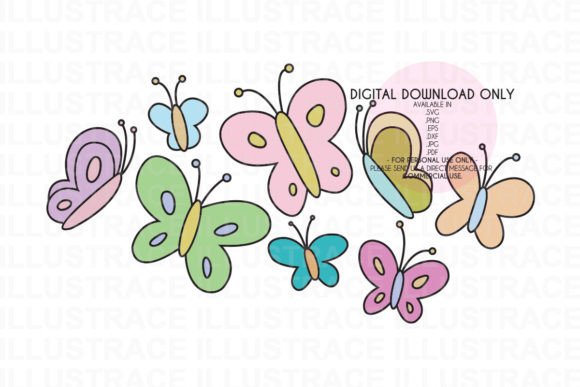
The moment you load the Butterflies Butterfly SVG, the first thing that strikes you is its inherent versatility. It does not scream for attention with overly complex, chaotic patterns; instead, it offers a clean, recognizable silhouette that works beautifully across various mediums. For an embroidery designer, the "mood" of a design is just as important as the technical specs. This particular design carries a light, airy, and organic feel. It feels natural on soft fabrics and pairs exceptionally well with themes of growth, spring, renewal, or gentle nursery aesthetics.
From a graphic design perspective, the vector nature of the source file is a significant advantage. Even though it is marketed heavily toward cutting machines like Cricut or Silhouette for vinyl stickers and wall art, the clean lines suggest that if digitized correctly—or if used as a base for appliqué—it would render sharply. The shape is distinct enough to be identified instantly but simple enough to avoid becoming a muddy mess of thread when stitched at smaller sizes. This balance is rare. Many butterfly designs fail because they try to include too much internal detail, which disappears completely once the needle starts moving.
Real-World Application: The Custom Tote Bag Scenario
To truly evaluate any design asset, you have to put it to work. Let’s imagine a practical scenario: I am preparing a batch of custom embroidered tote bags for a local artisan market. These are meant to be sold to young mothers and students—demographics that appreciate aesthetic, handmade touches without looking cluttered. I decide to place the Butterflies Butterfly SVG centrally on the canvas bag.
In this context, the design shines. Because the butterfly motif is iconic, it reads clearly even from a distance. If I were to use a fill stitch approach, the wings would create a nice texture against the rough weave of the tote bag. However, if I opted for an appliqué design using satin stitches for the outline, the result would look incredibly polished and professional. The design’s simplicity allows it to serve as a focal point without overwhelming the rest of the product. Customers browsing a craft fair booth are drawn to items that look intentional and high-quality. A crisp, well-placed butterfly on a tote bag signals that the maker cares about details, which builds immediate trust and increases the perceived value of the item.
This same logic applies to other products. Imagine this design on a sweatshirt embroidery for a cozy autumn collection, or perhaps on a baby onesie where the soft curves mimic the gentleness of the garment. The Butterflies Butterfly SVG transitions seamlessly between these applications because its core geometry is sound. It is not tied to a specific style that might go out of trend; it is a classic motif that remains relevant year after year.
Technical Considerations for Embroidery Designers
While the visual appeal is strong, we must address the technical realities of turning this SVG into a functional embroidery file. Since the product description lists formats like PNG, EPS, DXF, and JPG, it is crucial to understand that these are vector or raster image files, not native .PES or .DST embroidery files. This means you will need to either trace the path in your digitizing software or use it as a reference for creating a new stitch plan.
When planning the stitch density, keep in mind that butterflies often feature thin wing edges. If you attempt to stitch these with a standard fill stitch, you may encounter thread breaks or puckering. A combination of techniques is usually best. Use a satin stitch for the outer contour to give the wings definition, and perhaps a sparse fill or running stitch for the inner body to add dimension without adding bulk. Always test the design on scrap fabric first. Different fabric textures react differently to thread tension. On a stretchy knit cap, for instance, you will need a stronger stabilizer to prevent the delicate butterfly shape from distorting during stitching.
Another critical factor is color contrast. The Butterflies Butterfly SVG relies on negative space to define its shape. If you choose thread colors that are too similar to your fabric, the design will vanish. For example, a white butterfly on a cream shirt will lack impact. Instead, opt for high-contrast combinations, such as navy blue on white, or bright yellow on black. This ensures that the finished product looks sharp and legible, which is essential for commercial success.
Where to Exercise Caution
There are certain scenarios where this design might not perform as well. Avoid placing small, detailed versions of the butterfly on highly textured fabrics like heavy tweed or loose-weave burlap. The threads will get lost in the fabric’s own pattern, resulting in a messy finish. Similarly, be cautious with tiny lettering or intricate decorative accents that might accompany the butterfly. If the overall composition becomes too crowded, the eye won’t know where to rest, and the elegance of the butterfly is lost.
Additionally, consider the end-use of the product. If you are creating a kitchen towel or a frequently washed apron, ensure that the stitch density is robust enough to withstand repeated laundering. Loose satin stitches can unravel over time. In these cases, a denser fill or a reinforced edge is necessary to maintain the integrity of the Butterflies Butterfly SVG throughout the life of the garment.
Commercial Viability and Brand Consistency
For Etsy sellers and small shop owners, consistency is key. Using a versatile design like this allows you to expand your product line without constantly hunting for new assets. You can use the same butterfly motif on tea towels, pillow covers, and even as a printable mockup for digital planners. This cross-platform utility saves time and reinforces brand recognition. When customers see your signature butterfly style across multiple products, they begin to associate that visual cue with quality and reliability.
Furthermore, the design’s adaptability makes it ideal for seasonal marketing. While butterflies naturally evoke spring and summer, a monochromatic version in gold or silver can easily be repurposed for holiday gifts or wedding favors. This flexibility extends the lifespan of your inventory and allows you to respond quickly to market trends without investing in entirely new design assets.
Final Verdict
The Butterflies Butterfly SVG is a solid foundation for a wide range of embroidery and crafting projects. Its strength lies in its simplicity and clarity, allowing it to shine on everything from custom apparel to delicate baby items. While it requires careful digitization and thoughtful placement to maximize its potential, the payoff in terms of customer appeal and professional presentation is significant. Whether you are a hobbyist making personalized gifts or a seasoned entrepreneur building a brand, this design offers a reliable, aesthetically pleasing option that respects both the medium and the audience. Just remember to check licensing terms before selling finished items, and always prioritize fabric stability and thread contrast to ensure your final product matches the promise of the original design.