Say What You Feel Its Not Being Rude SVG Review
When I sit down to evaluate a new machine embroidery design, I am rarely looking for perfection in the abstract. I am looking for viability. Does this design hold up when it is stitched onto a garment that will be washed twenty times? Will it look professional on a $40 tote bag sold at a craft fair? And does it communicate its message clearly without requiring a magnifying glass?
Recently, I had the opportunity to put the Say What You Feel Its Not Being Rude SVG through its paces. As an experienced designer and reviewer, I approach every file with a critical eye, especially when it comes to text-based graphics intended for custom apparel or personalized gifts. This piece falls under the broader categories of Crafts and Graphics, but those labels barely scratch the surface of what makes it interesting—or potentially tricky—for the serious embroiderer.
The First Impression: Mood and Layout
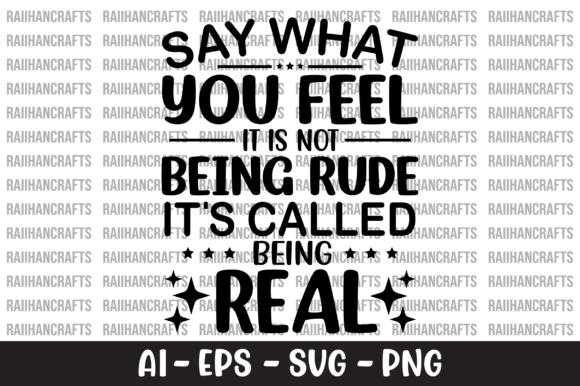
The immediate visual personality of Say What You Feel Its Not Being Rude SVG is bold. It carries a tone that is both assertive and playful, which is a difficult balance to strike in embroidery. Too much aggression can feel harsh, while too much whimsy can undermine the message. This design manages to thread that needle effectively.
In terms of layout, the typography appears to be the primary focus. For any embroidery project relying on text, legibility is king. From a digital preview, the lettering seems to have enough weight to stand out, but there are nuances here that only reveal themselves once you load the embroidery file into your software. The phrase itself suggests a modern, relatable sentiment, making it highly suitable for social media-driven brands or boutique shops targeting a younger demographic.
My initial assessment is that this design belongs in the realm of casual luxury. It feels right at home on soft-touch fabrics rather than stiff, heavy-duty materials. It has the potential to elevate a simple item into a statement piece, provided the execution is clean.
Real-World Application: Where It Shines
To truly understand the value of a design asset, you have to imagine it on a finished product. Let’s talk about a specific scenario: preparing inventory for an upcoming holiday season or a local craft fair.
I envision Say What You Feel Its Not Being Rude SVG performing exceptionally well on a high-quality cotton canvas tote bag design. The contrast between the fabric texture and the smooth stitches of the text would create a tactile appeal that customers love. It serves as a perfect conversation starter, encouraging engagement at market booths.
Furthermore, this design translates beautifully to sweatshirt embroidery. There is something inherently cozy yet edgy about pairing a humorous quote with a heavyweight hoodie. For Etsy sellers and small business owners, this versatility is gold. It allows you to cross-list the same design across multiple product types—from kitchen towels to nursery decor—without feeling like you are just repeating yourself.
It also works wonderfully as a personalized gift. Think of a custom apron for a friend who loves to cook but has strong opinions about it, or a pillow cover for a dorm room. The design’s adaptability means it can fit into various niches, from holiday embroidery collections to everyday wearables.
Technical Considerations and Potential Pitfalls
However, not every design is created equal, and even the best-looking graphics can fail if the technical execution is ignored. Here is where my experience as a reviewer becomes crucial. There are several areas where Say What You Feel Its Not Being Rude SVG requires careful handling.
- Hoop Size and Density: If the design contains intricate details or very small lettering, it may suffer in smaller hoop sizes. Dense stitch areas can cause puckering, especially on lighter fabrics. Always check the stitch density in your digitizing software before committing to production.
- Fabric Texture: While this looks great on smooth cotton, it might get lost on heavily textured fabrics like bouclé or thick chenille. The definition of the letters could be compromised, leading to a blurry or muddy appearance in the final finished product.
- Curved Surfaces: Applying this to curved items like caps or hats requires precision. Text designs often distort slightly when wrapped around a curve. You must ensure the kerning (spacing between letters) remains readable after distortion.
- Thread Color Contrast: The success of any text-based machine embroidery design relies heavily on contrast. A light thread on a light background will disappear. Conversely, a dark thread on a dark fabric can look heavy and unrefined. Test your thread colors against your actual fabric swatches.
Additionally, consider the wash durability. If this is intended for commercial embroidery or frequent-use items like workwear, you need to ensure the stabilizer used is appropriate. Without proper support, even a well-digitized design can unravel or warp over time, damaging your brand reputation.
Designer’s Checklist Before Production
Before you rush to upload this to your shop or start stitching for a client, follow these practical steps to ensure quality control.
- Scrap Fabric Test: Never run a full production batch without testing on scrap material first. This reveals how the stabilizer interacts with your specific fabric weight.
- Black and White Mockup: Convert the design to grayscale in your editing software. This helps you visualize the balance of negative space and solid stitches, ensuring the design isn’t too busy or too sparse.
- Licensing Verification: This is non-negotiable. Confirm whether the license allows for commercial use. Many digital assets are restricted to personal projects only. Selling a handmade product with an improperly licensed design can lead to serious legal issues.
- Detail Inspection: Zoom in on the smallest elements. Are there tiny corners that might break during trimming? Is the running stitch or satin stitch density appropriate for the thread type you plan to use?
- Stabilizer Selection: Choose the right stabilizer—cut-away for stretchy fabrics like polyester blends, tear-away for wovens. The wrong choice can ruin the drape of the garment.
Final Verdict
Say What You Feel Its Not Being Rude SVG is a strong contender for designers looking to add personality to their craft business offerings. It strikes a chord with modern consumers who appreciate humor and authenticity in their purchases. Whether you are creating digital embroidery files for resale or crafting unique boutique branding items, this design offers a solid foundation.
Its strength lies in its versatility and emotional resonance. It invites the wearer to express themselves, which is a powerful driver for sales in the handmade market. However, its success is entirely dependent on the skill of the embroiderer. By respecting the technical limitations of embroidery—hoop size, fabric choice, and stitch density—you can transform this digital graphic into a tangible, high-value asset.
For the savvy Etsy seller or small shop product creator, this design is more than just a pretty picture; it is a tool for connection. When executed correctly, it doesn’t just decorate a garment; it tells a story. Just remember to test thoroughly, verify your rights, and always prioritize the integrity of the stitch over the speed of production. That is how you build trust with your customers and establish a professional presence in the competitive world of handmade goods.