Crazy Bee Lady T Shirt Design Vector SVG Review
As a designer who spends more time looking at stitch density and fabric grain than scrolling through social media, I approach every new embroidery file with a mix of curiosity and skepticism. We have all been there: you see a cute graphic online, download it, and then realize halfway through the stitching process that the details are too fine for your machine or the color palette clashes with your inventory. That is why I take the time to evaluate assets like the Crazy Bee Lady T Shirt Design Vector SVG before committing them to real-world production. This review is not just about whether the design looks good on a screen; it is about how it translates into a tangible, sellable handmade product.
First Impressions and Visual Personality
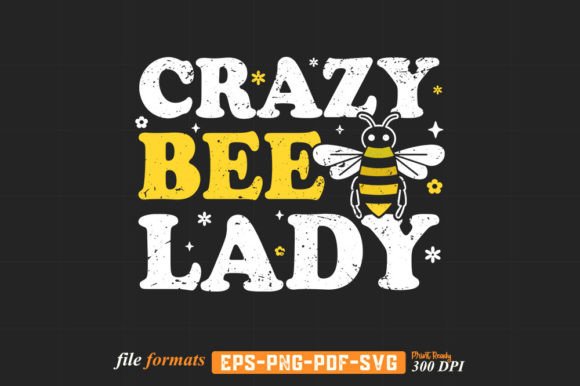
When I first opened the vector file for the Crazy Bee Lady, the immediate takeaway was its playful yet slightly chaotic energy. The title says it all: "Crazy." The design does not aim for minimalist elegance; instead, it leans into a whimsical, high-energy aesthetic that feels perfectly suited for a specific niche of crafters and small business owners. The visual personality is bold, making it an excellent candidate for custom apparel where you want the garment to make a statement rather than whisper.
The layout suggests a character-driven illustration, likely featuring a stylized female figure interacting with bee motifs. For an embroidery designer, this presents an interesting challenge. Character designs require careful attention to facial features and proportions, while insect elements often rely on texture and movement. In the digital preview, the lines appear clean, which is a promising sign for digitization. However, the "crazy" aspect implies intricate details—perhaps buzzing wings, scattered pollen, or dynamic poses—that need to be translated into stitches effectively. If the original vector is cluttered, the final finished product might look muddy after stitching. My initial judgment is that this design thrives on contrast and clarity, relying on strong outlines to define its busy composition.
Real-World Application: From Screen to Stitch
To truly understand the value of this asset, I imagine placing it in various scenarios typical for an Etsy seller or a boutique owner. Let us start with a classic use case: a custom embroidered tote bag. The sturdy canvas of a tote can handle the weight of a dense design. Here, the Crazy Bee Lady would serve as a fun, conversation-starting logo for a beekeeper’s brand, a honey shop, or a quirky gift store. The design’s vibrant nature would pop against natural jute or solid-colored cotton bags, creating a professional yet approachable brand identity.
Another strong potential application is sweatshirt embroidery. As fall and winter approach, sellers look for cozy, thematic items. A hoodie featuring this design could appeal to those who enjoy gardening, nature, or simply love bees. The humor and charm of the "crazy" theme fit well with the casual comfort of a sweatshirt. It transforms a basic garment into a personalized gift that feels unique and thoughtful. Similarly, for apron embroidery, this design could work beautifully for someone who bakes or gardens, adding a touch of personality to kitchen or outdoor wear.
I also see potential in smaller merchandise items like embroidered patches. Patches allow for a concentrated display of detail. If the digitizer has done their job well, the Crazy Bee Lady could become a standout accessory on denim jackets or backpacks. Furthermore, for baby embroidery, such as onesies or bibs, the design might need to be scaled down carefully. While the theme is fun, parents often prefer softer aesthetics for infants. However, if rendered in pastel thread colors with reduced complexity, it could still find a market as a humorous baby shower gift.
Where Caution Is Required
Not every surface is created equal, and knowing where Crazy Bee Lady T Shirt Design Vector SVG should be used carefully is crucial for maintaining quality. I would advise against attempting this design on highly textured fabrics like chunky knits or bouclé wool, as the needle penetration may be inconsistent, leading to skipped stitches or distorted imagery. Thin fabrics, such as lightweight rayon or silk, pose another risk; without proper stabilizer support, the tension required for fill stitches could pucker the material, ruining the drape and appearance of the garment.
Curved surfaces, like baseball caps or beanies, present their own set of challenges. While possible, digitizing a complex character design for a curved brim requires precise mapping to ensure the face remains upright and proportional when viewed from the front. Additionally, if the design contains tiny lettering or very fine decorative accents, these elements may disappear entirely during the stitching process. Dense stitch areas, particularly if they overlap, can create a stiff, cardboard-like feel on clothing, reducing comfort. For products that require frequent washing, such as kitchen towels or everyday tees, the longevity of the threads must be considered. Synthetic threads hold up better than cotton, but the design’s complexity means more thread ends to secure, increasing the risk of snagging over time.
Practical Notes for Embroidery Designers
Before adding this design to your production queue, there are several technical steps every designer should take. First and foremost, always test the design on scrap fabric that matches the texture and weight of your final product. This allows you to assess how the stitch density interacts with the material. You should also inspect the small details closely; zoom in on the digital file to identify any lines that might be too thin to digitize effectively. If the vector lacks sufficient resolution, the resulting machine embroidery design may lose definition.
Thread color selection plays a massive role in the final impact. Since the design is described as a vector suitable for printing and crafting, the original colors might not translate directly to thread palettes. Experiment with different thread combinations to enhance contrast, especially if you plan to use it on dark fabric. Using a black-and-white mockup can help you visualize how the shapes will read without the distraction of color. Furthermore, confirm the licensing terms explicitly. Just because a design is available as a digital asset does not automatically grant commercial rights for mass production. Ensure you have the permission to sell finished items made from this digital embroidery file, or clarify the limits of its use for personal gifts and small-batch sales.
Final Verdict on Value and Appeal
The Crazy Bee Lady T Shirt Design Vector SVG offers a distinct advantage for creators looking to add variety to their catalog. Its strong visual identity makes it memorable, which is key for customer engagement and brand recognition. When executed correctly, it elevates simple items like tote bags and t-shirts into premium personalized gifts. It appeals to a broad audience, from hobbyists making one-off projects to serious Etsy sellers building a niche brand around nature-inspired whimsy.
However, success depends on execution. The difference between a mediocre patch and a bestseller often lies in the quality of the digitization and the care taken during the stitching process. By respecting the limitations of the medium—choosing the right fabric, using adequate stabilizer, and testing thoroughly—you can transform this vector into a stunning piece of art. For designers willing to put in the prep work, this design provides a solid foundation for creating profitable, visually engaging craft business items that resonate with buyers seeking something unique and charming.